

Weight Gain & Metabolic Changes
When Your Body Changes, Your Plan Should Change Too
Weight gain during perimenopause and menopause can feel confusing, frustrating, and deeply personal. You may be eating the same way, moving the same amount, and still notice your body changing — especially around your waist, hips, abdomen, and midsection.
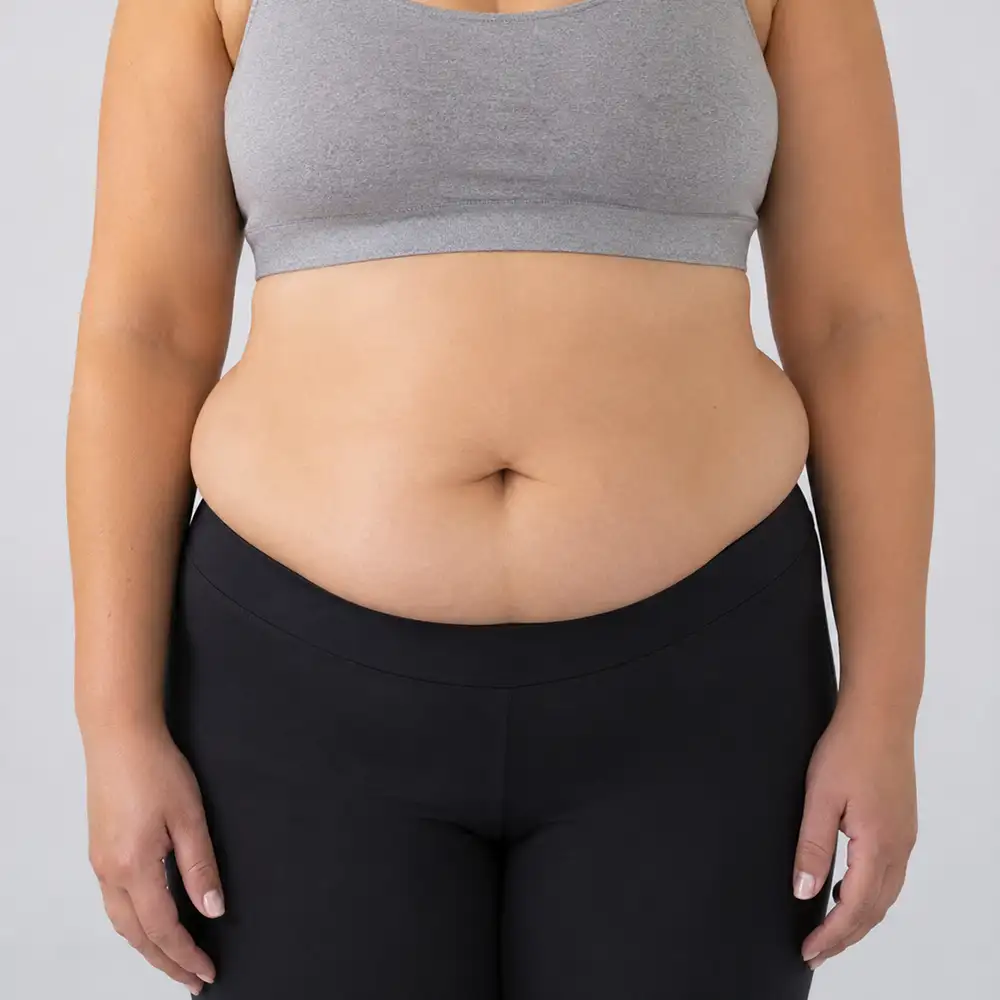
This is not simply about “willpower.” Hormonal changes can affect how your body stores fat, how efficiently it uses energy, how hungry or satisfied you feel, how well you sleep, and how your metabolism responds to food, stress, and exercise.
At Refresh Medical in Rochester, NY, we help women understand what is happening inside the body so they can stop guessing and start making informed, medically guided decisions.
Why Weight Gain Happens During Perimenopause and Menopause
During perimenopause and menopause, estrogen levels fluctuate and eventually decline. These changes can influence the way your body regulates blood sugar, insulin, inflammation, appetite, sleep, and fat storage.
Many women notice that weight begins to collect more around the abdomen, even if the number on the scale has not changed dramatically. This type of weight change can feel especially discouraging because the old methods — eating less, exercising harder, or “just being more disciplined” — may no longer work the same way.
Common contributors to midlife weight gain and metabolic changes include:
- Shifting estrogen levels
- Increased abdominal or visceral fat
- Insulin resistance or blood sugar changes
- Loss of muscle mass with age
- Poor sleep or night sweats
- Increased stress and cortisol patterns
- Hot flashes and disrupted recovery
- Mood changes that affect consistency
- Appetite changes, cravings, or “food noise”
- Medications or underlying health conditions
The goal is not to blame your hormones for everything. The goal is to understand the whole picture so your care plan actually matches your body.
Signs You May Be Experiencing Metabolic Changes
You may benefit from a medical evaluation if you are noticing:
- Weight gain around the waist or abdomen
- A change in body shape despite similar habits
- Difficulty losing weight after age 40
- Stronger cravings or increased appetite
- Feeling tired, sluggish, or less resilient
- More intense menopause symptoms
- Poor sleep, night sweats, or waking frequently
- Brain fog or trouble concentrating
- Changes in cholesterol, blood sugar, or blood pressure
- Feeling like your old routine no longer works
These changes can be subtle at first, but they often build over time. A thoughtful medical visit can help identify what is driving the shift and what options may support you safely.
How Refresh Medical Can Help
At Refresh Medical, we take a personalized, physician-led approach to weight gain and metabolic changes. Your care begins with a conversation about your symptoms, health history, goals, lifestyle, and concerns.
Depending on your needs, your plan may include menopause and perimenopause care, lifestyle guidance, targeted supplementation, non-hormonal options, hormone therapy when appropriate, and/or medical weight loss support with GLP-1 medications.
You do not need a one-size-fits-all plan. You need a plan that respects your stage of life, your metabolism, your health risks, and your real-world routine.
Refresh Medical Support Options
Primary Support: Menopause & Perimenopause Care
Hormonal shifts can affect much more than your cycle. Perimenopause and menopause can influence sleep, mood, energy, body composition, sexual health, bone health, and metabolic health.
Refresh Medical’s Menopause & Perimenopause Care is designed for women who want a more complete medical conversation — not rushed advice or vague reassurance.
Your visit may include:
- A detailed review of symptoms and health history
- Discussion of weight, waist changes, sleep, mood, hot flashes, and energy
- Education about what may be happening hormonally and metabolically
- Lifestyle and nutrition recommendations
- Targeted supplementation when appropriate
- Non-hormonal options for symptom support
- Hormone therapy discussion when medically appropriate
- Ongoing support as your needs evolve
Secondary Support: GLP-1 Weight Loss Therapy
For some patients, metabolic changes are significant enough that lifestyle alone may not feel realistic or effective. GLP-1 medications may be an option for patients who qualify and want medically guided support.
GLP-1 medications can help reduce appetite, increase fullness, calm persistent cravings, and support healthier blood sugar and insulin response. For women in perimenopause or menopause, this can be especially helpful when weight gain is tied to stronger hunger signals, abdominal weight, or metabolic resistance.

At Refresh Medical, GLP-1 weight loss therapy is offered with in-person, physician-guided care. That means your plan is monitored, adjusted, and supported — not managed through a one-size-fits-all online subscription.
Your plan may include:
- A medical consultation to determine whether you are a candidate
- Review of weight history, health risks, and goals
- Semaglutide, tirzepatide, and/or oral medication options when appropriate
- Gradual dose adjustments for comfort and tolerability
- Guidance around protein, hydration, strength training, and muscle preservation
- Ongoing check-ins to support safe, sustainable progress
A Whole-Body Approach to Midlife Weight Changes
Weight gain during perimenopause and menopause is not just a cosmetic concern. Abdominal weight and metabolic changes can affect long-term health, including insulin resistance, cardiovascular risk, inflammation, and quality of life.
That does not mean you should panic. It means your body is giving you information.
Refresh Medical helps you interpret that information and create a plan that supports your health, confidence, and longevity.
Frequently Asked Questions
Is menopause weight gain normal?
Weight gain and changes in body composition are common during perimenopause and menopause. Many women notice more weight around the abdomen, even if their habits have not changed much. A medical evaluation can help determine whether hormones, insulin resistance, sleep, stress, muscle loss, or other factors may be contributing.
Why am I gaining weight around my stomach?
As estrogen levels shift and decline, the body may store more fat around the waist and abdomen. This can happen even without a major change on the scale. Abdominal weight can also be influenced by insulin resistance, stress, sleep disruption, inflammation, and loss of muscle mass.
Can hormone therapy help with weight gain?
Hormone therapy is not a weight loss medication. However, for some women, treating menopause symptoms such as hot flashes, night sweats, sleep disruption, and mood changes may make it easier to feel better and stay consistent with healthy routines. Hormone therapy should always be considered through an individualized medical discussion.
Are GLP-1 medications helpful during menopause?
GLP-1 medications may be helpful for some women in perimenopause or menopause who qualify for medical weight loss treatment. These medications can help reduce appetite, increase fullness, and support healthier blood sugar and insulin response. They work best as part of a medically guided plan that also supports nutrition, muscle, hydration, and long-term maintenance.
Do I need both menopause care and GLP-1 weight loss therapy?
Not always. Some patients may benefit most from menopause-focused care, while others may be candidates for GLP-1 weight loss therapy. Some may benefit from both. The best place to start is a consultation so your provider can understand your symptoms, goals, health history, and risk factors.